Environmental site investigation and technical support for phased mine remediation, habitat stabilization, and archaeological recovery within a federally listed Superfund site.
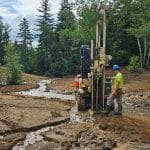
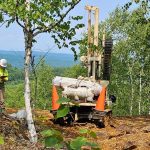
Nobis, under contract to the EPA, performed comprehensive multi-year field investigations and remedial designs at the Pike Hill Copper Mine Superfund Site to support site characterization, conceptual site model (CSM) development, and design of Non-Time-Critical Removal Actions (NTCRAs). Work was executed in accordance with EPA-approved QAPPS and field investigation plans (FIPs), and included integrated geological, hydrogeological, geochemical, and ecological investigations. Site characterization work included detailed bedrock fracture mapping and outcrop analysis; surface geophysical surveys (seismic, electrical resistivity imaging, and microgravity) to map waste extents, subsurface voids, and depth to bedrock; installation of an extensive monitoring well network including deep bedrock boreholes installed using air rotary drilling to depths up to over 200 feet to evaluate fractured bedrock hydrogeology; shallow bedrock monitoring wells and one overburden well installed using hollow stem auger and rock coring techniques; borehole geophysical logging (OTV/ATV, caliper, resistivity, heat-pulse flow meter) to identify hydraulically active fractures and inform monitoring and sampling design.
Nobis conducted a comprehensive groundwater evaluation program across overburden, shallow bedrock, and deep bedrock systems that included installation of transducers to collect continuous groundwater elevation data at 15-minute intervals and evaluate hydraulic responses to precipitation; monthly manual groundwater monitoring to define seasonal high and low groundwater conditions and generate groundwater contour maps; and multi-round groundwater sampling using low-flow sampling methods. To refine the understanding of contaminant transport within fractured bedrock, Nobis developed fracture-specific groundwater sampling strategies using borehole geophysics and field observations; installed and conducted packer testing and interval-specific sampling in deep bedrock wells to isolate discrete fracture zones and evaluate vertical contaminant distribution; performed submersible pump testing and hydraulic response evaluation to assess transmissivity and connectivity within fractures.
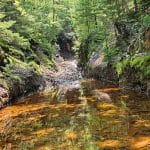
Nobis performed seasonal surface water and seep sampling programs conducted during the spring and fall which included sampling of over 30 locations for analysis of metals and general chemistry to evaluate mine-related impacts to receiving waters. Nobis used the data to assess spatial trends in contaminant exceedances relative to mine features and downgradient receptors.
To support remedial design for the Phase 1 NTCRA, Nobis performed comprehensive soil, mine waste, and geotechnical evaluations. Investigation activities included advancement of direct-push soil borings, excavator test pits, and hand auger borings to delineate waste extent and depth; background soil sampling to establish baseline condition; acid/base accounting (ABA) testing and lime demand evaluation to inform in-situ stabilization design; and geotechnical testing of soils and bedrock cores, including strength, gradation, and compaction properties to support waste consolidation and earthwork design.
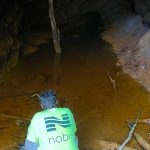
Nobis supported an ecological risk assessment and integrated the results into our design considerations through the completion of a three-year comprehensive bat study, including acoustic monitoring, capture events, and telemetry tracking; installation and maintenance of temperature and humidity loggers within underground mine workings to characterize hibernacula conditions, Vernal pool and wetland assessments, and coordinated with federal and state wildlife agencies to support protection of threatened and endangered bat species present at the site.
Additional specialized technical investigations included the installation of flow monitoring weirs to quantify surface water discharge from mine-impacted areas and biochar efficacy testing and soil amendment evaluation to support innovative remedial approaches.
The RD for the Phase 1 NTCRA focuses on source control of acid rock drainage (ARD) and metals through the in-situ stabilization (ISS) of mine waste and impacted soil, minimizing disturbance to sensitive receptors (bats, wetlands, historic features) and establishing long-term vegetative cover to reduce exposure to oxygen and water. Since 2024, Nobis has provided QA oversight and technical support to US EPA throughout Phase 1 NTCRA construction.
Nobis is currently finalizing the Phase 2 NTCRA RD which includes excavating and consolidating approximately 82,000 cubic yards of mine waste in a four-acre waste containment cell on-site, requiring over 60,000 cubic yards of bedrock removal, along with over 2.5 acres of wetland mitigation and restoration. In 2025, Nobis finalized the draft-final BoD for the Phase 2 NTCRA and continues to prioritize ecological monitoring, including seasonal hibernacula inspections and acoustic bat surveys to protect sensitive species.
Nobis also supported the US EPA, Vermont Department of Environmental Conservation, and the Vermont State Historic Preservation Office in preparing an RFP, conducting bid reviews, awarding contracts, and implementing the archaeology data recovery program across 16 discrete subsites. This program includes over 145 square meters of hand-dug test pits and machine-assisted soil stripping around larger features, with Nobis’ industrial historian providing oversight to ensure cultural resources are properly documented.
Challenges
- The site required characterization of a complex fractured bedrock system and multiple contaminant pathways across overburden, shallow bedrock, deep bedrock, surface water, and seeps.
- The RD had to address acid rock drainage and metals contamination while minimizing disturbance to sensitive ecological and cultural resources within an active superfund site.
- The project demanded coordination of multi-year investigations, phased remediation planning, and construction support across numerous stakeholders and technical disciplines.
Solutions
- Nobis combined fracture mapping, borehole geophysics, packer testing, interval-specific sampling, transducer monitoring, and multi-round groundwater and surface water sampling to refine the conceptual site model (CSM) and identify key contaminant pathways.
- Nobis developed phased NTCRA remedial designs centered on source control and in-situ stabilization, while integrating wetland assessments, habitat studies, archaeological recovery coordination, and agency input to protect sensitive receptors during design and construction.
- Nobis supported EPA through QAPP- and FIP-driven investigations, bid and work plan review, QA oversight during Phase 1 construction, and ongoing coordination with state and federal partners to keep design, permitting, and implementation aligned.
Results
Nobis’ work advanced EPA’s understanding of site conditions and provided the technical basis for phased remediation at the Pike Hill Copper Mine Superfund Site. Integrated investigations refined the CSM, identified key contaminant pathways in fractured bedrock and surface water, and supported source control and in-situ stabilization design. Nobis also supported Phase 1 implementation through QA oversight and coordination with federal and state partners, while advancing Phase 2 design and archaeological recovery planning to support continued restoration and long-term stewardship.